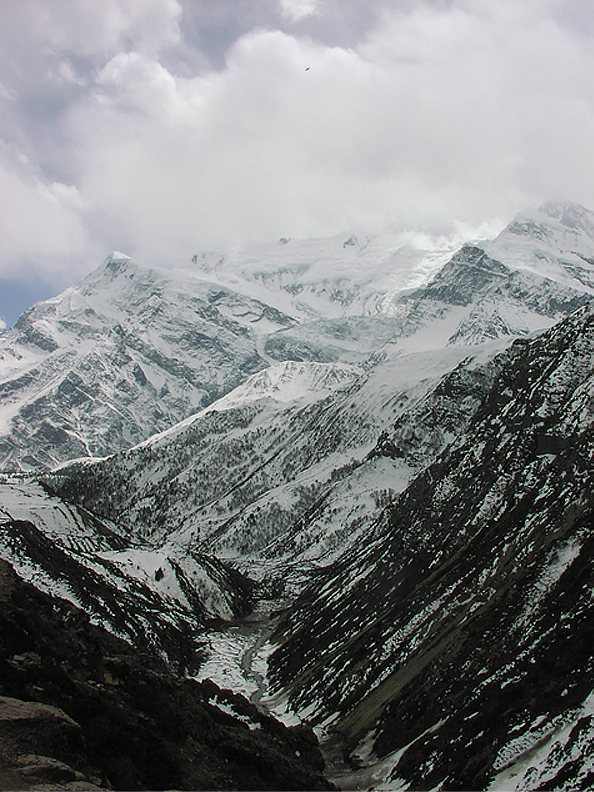
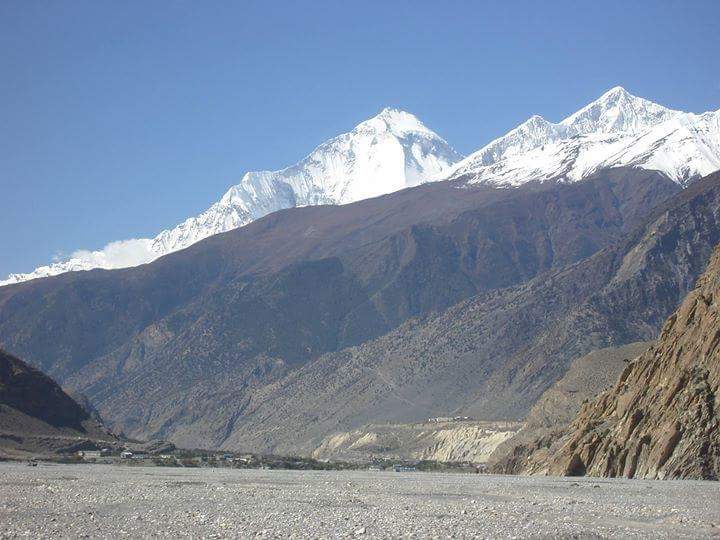
Annapurna Region Trekking is one of the most diverse and popular trekking experiences in Nepal, offering an extraordinary blend of natural beauty, cultural richness, and well-developed trekking infrastructure. Located in central Nepal, the Annapurna region is home to the Annapurna Massif, including Annapurna I (8,091 m), the tenth highest mountain in the world. From lush subtropical forests and terraced farmlands to high alpine landscapes and dramatic mountain passes, trekking in the Annapurna region showcases an incredible variety of scenery within a single journey.
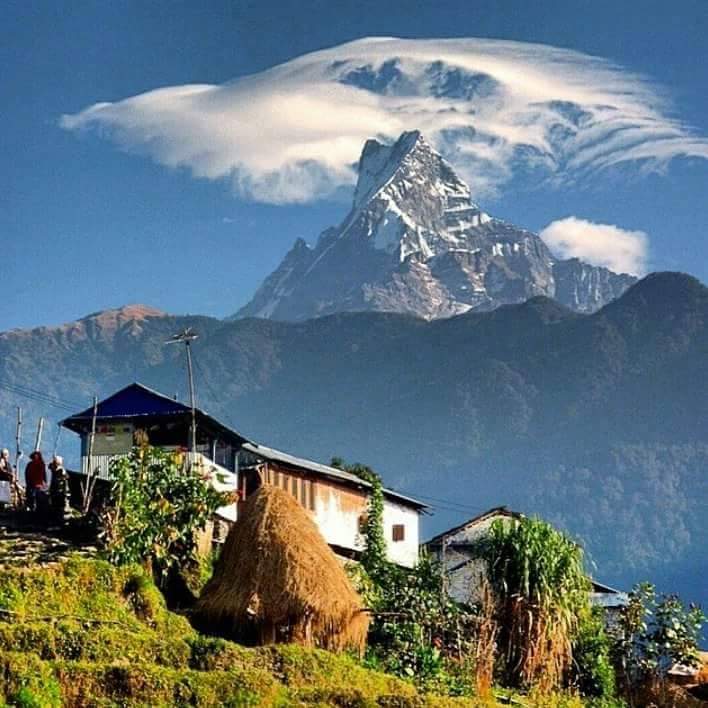
Most Annapurna treks begin from Pokhara, a beautiful lakeside city known for its relaxed atmosphere and stunning views of the Annapurna and Machhapuchhre (Fishtail) ranges. From here, trekkers can choose from several classic routes, each offering a unique perspective of the Himalaya. The Annapurna Base Camp (ABC) Trek is one of the most famous, taking trekkers deep into the Annapurna Sanctuary. The trail passes through charming Gurung and Magar villages, dense rhododendron forests, and river valleys before opening into a dramatic amphitheater of snow-covered peaks at Annapurna Base Camp (4,130 m). Standing face to face with Annapurna I, Annapurna South, Hiunchuli, and Machhapuchhre is a truly unforgettable experience.
Another legendary route is the Annapurna Circuit Trek, often considered one of the world’s greatest long-distance treks. This trek circles the entire Annapurna Massif and offers remarkable geographical and cultural variation. Starting from the lowland villages of the Marsyangdi Valley, trekkers gradually ascend through pine forests, Tibetan-influenced settlements, and high alpine terrain. The highlight of the circuit is crossing the Thorong La Pass (5,416 m), a challenging yet rewarding crossing that offers panoramic views of Annapurna, Dhaulagiri, and Manaslu ranges. The descent leads to the sacred pilgrimage site of Muktinath and continues through the Kali Gandaki Gorge, the deepest gorge in the world.
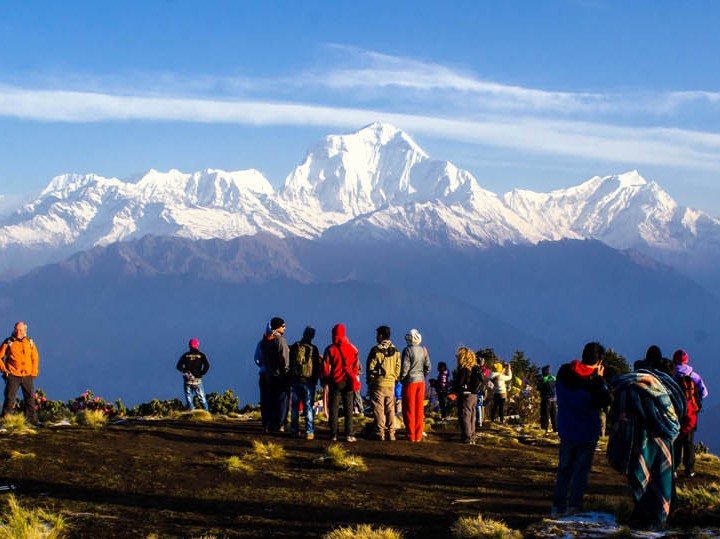
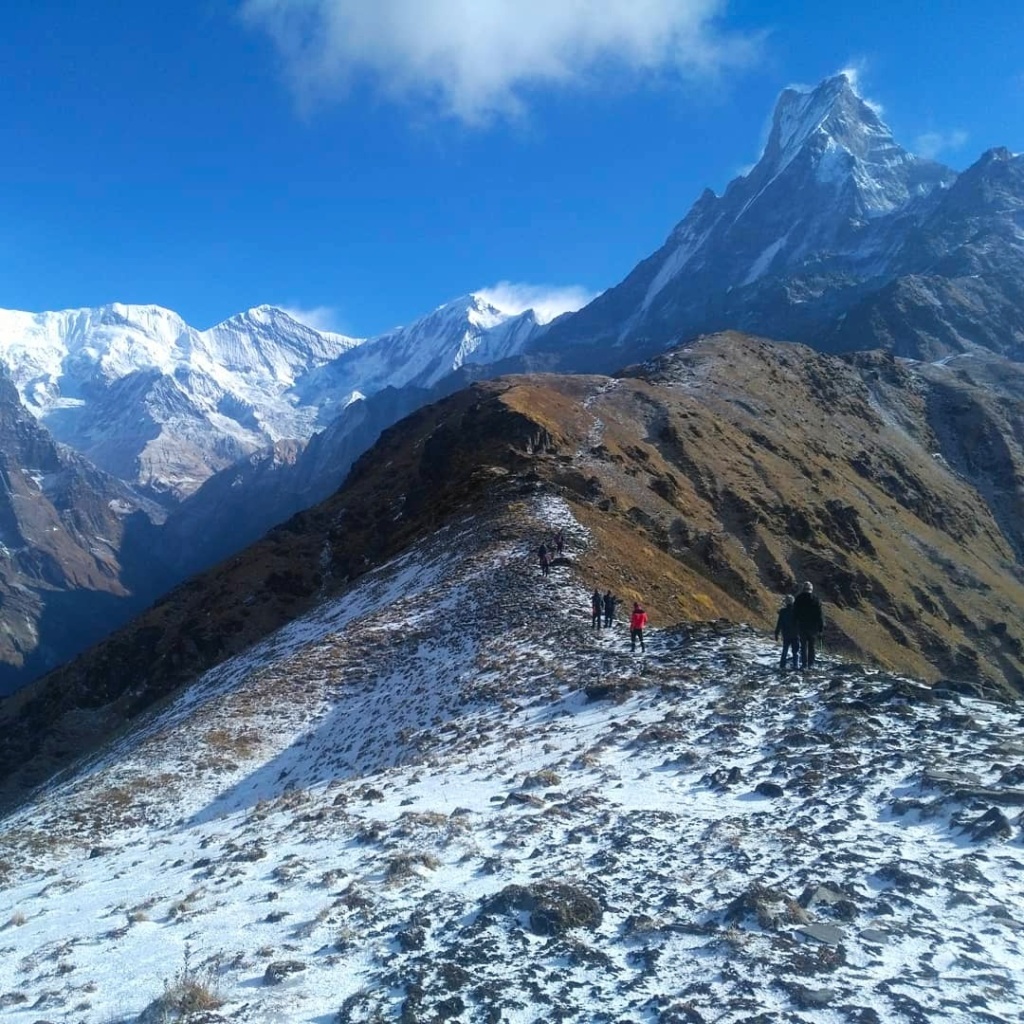
For those with limited time or who prefer a gentler trek, the Annapurna region offers shorter and equally rewarding options such as the Ghorepani Poon Hill Trek and the Annapurna Panorama Trek. Poon Hill is especially famous for its spectacular sunrise views over Dhaulagiri and Annapurna ranges, making it a favorite among photographers and first-time trekkers. The Mardi Himal Trek, a relatively newer route, has quickly gained popularity for its quieter trails and close-up views of Machhapuchhre, Annapurna South, and Hiunchuli.
Cultural diversity is one of the defining features of Annapurna Region Trekking. The region is inhabited by various ethnic groups, including Gurung, Magar, Thakali, and Manangi communities, each with their own traditions, languages, and lifestyles. Traditional stone houses, prayer flags, chortens, and monasteries reflect a harmonious blend of Hindu and Buddhist cultures. Trekking through these villages allows travelers to experience warm local hospitality, taste traditional Nepali food, and gain insight into mountain life that has remained largely unchanged for generations.
The Annapurna region is also well known for its excellent teahouse trekking system. Comfortable lodges along the trails provide meals and accommodation, making the trek accessible without the need for camping. Despite this comfort, altitude and terrain still present challenges, making proper planning, acclimatization, and experienced guidance essential for a safe and enjoyable trek. The best seasons for Annapurna Region Trekking are spring (March to May), when rhododendrons are in full bloom, and autumn (September to November), when clear skies offer the best mountain views.
A knowledgeable and experienced guide can greatly enhance the Annapurna trekking experience, and Yan Prasad Timalsina, widely known as Hari, is one such professional who has earned strong respect among trekkers. With years of guiding experience across the Annapurna region and other Himalayan areas, Hari is known for his deep understanding of the trails, local cultures, and mountain conditions. His calm and friendly personality helps trekkers feel comfortable and confident, even on challenging sections of the journey.
Yan Prasad Timalsina (Hari) places strong emphasis on safety, proper acclimatization, and personalized care. He carefully monitors trekkers’ health and adjusts daily walking pace and itineraries when needed. Beyond guiding, Hari enjoys sharing stories about local traditions, village life, and the history of the Annapurna region, turning each trek into an educational and culturally enriching experience. His ability to connect with local communities also ensures that trekkers receive genuine hospitality and meaningful interactions along the way.
Hari is also a strong advocate of responsible and sustainable trekking. He encourages trekkers to respect local customs, minimize environmental impact, and support local businesses throughout the journey. This responsible approach not only protects the fragile mountain environment but also contributes positively to the livelihoods of people living in the Annapurna region.
Annapurna Region Trekking offers something for everyone—towering Himalayan peaks, diverse landscapes, rich cultural encounters, and well-established trekking routes. Whether trekking to Annapurna Base Camp, crossing the Thorong La Pass, or enjoying a short scenic hike to Poon Hill, the experience is deeply rewarding. With the guidance of experienced professionals like Yan Prasad Timalsina (Hari), trekkers can explore the Annapurna region with confidence, comfort, and a deeper appreciation for the natural and cultural wonders of the Nepal Himalaya.
The Annapurna Region’s popularity is well deserved: nowhere else do you get such a varied feast of scenery and hill culture and the logistics are relatively simple.
Trekking in Annapurna Region can all start or finish close to Pokhara, which is a relaxing place to end a trek and a handy place to start one, with its clued-up guesthouses, equipment-rental shops and easy transportation to trailhead.
With great views just two days up the trail, short treks in the Annapurna Region are particularly feasible, and good communications mean the region is also fairly safe, from the point of view of medical emergencies.
Tourism is relatively sustainable, too, thanks to ACAP, the Annapurna Conservation Area Project. The inevitable consequence is commercialization. The popular treks in this region are on a well-beaten track, and unless you step aside from them you’re more likely to be ordering bottled beer from a laminated menu than drinking homebrew with locals.